You can build endurance and still stay fast by choosing the right mix of training.
In the heat, hydration and electrolytes are key to performance and safety.
Travel games are easier when athletes follow a simple, repeatable plan for gear, fuel, and focus.
Teams win when athletes own their current role instead of fighting it.
Short daily journaling helps athletes see what habits actually drive their performance.
Stronger, more stable ankles reduce sprains and support better movement.
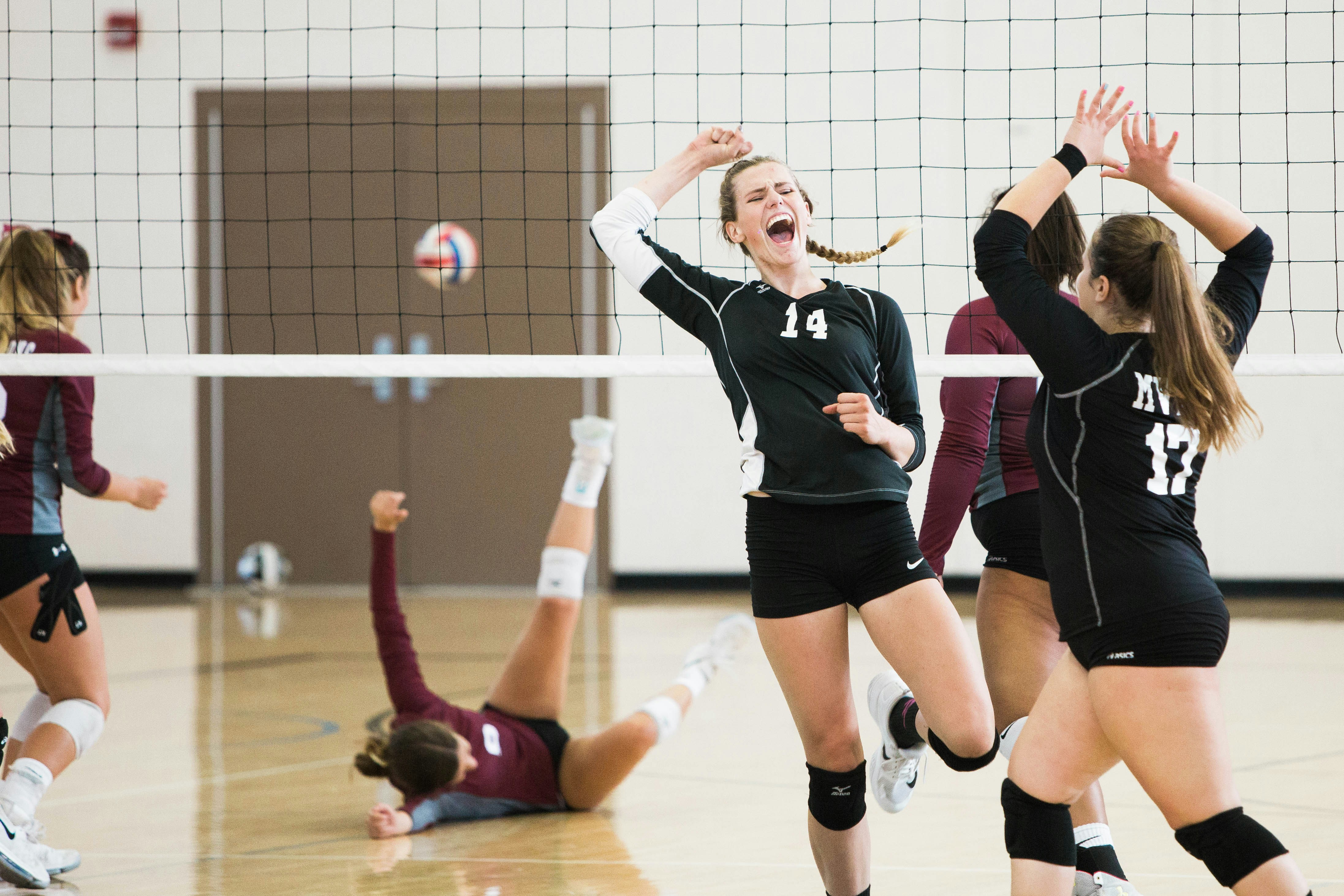
Bench players can shift momentum and culture with energy, communication, and focus.
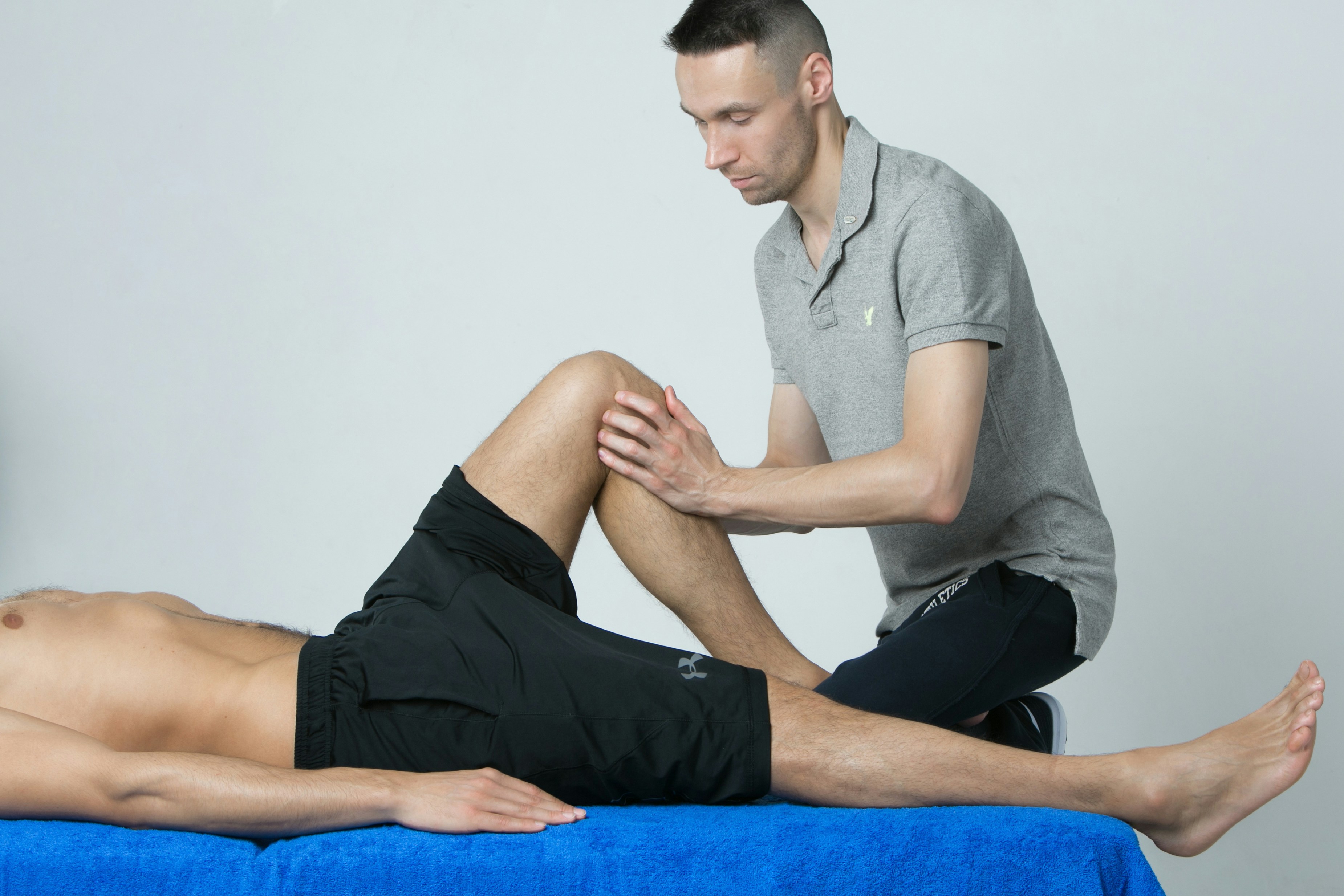
Injury can become a turning point if athletes treat rehab with the same focus as training.
Social media can quietly drain the focus, sleep, and confidence athletes need to perform.
The way you compete in practice becomes the way you compete on game day.
The off-season is the best time to make big gains if you follow a simple plan.
Controlled breathing turns adrenaline into focused energy instead of panic.
Changing direction with control is a huge advantage in nearly every sport.
Visualization trains the brain for competition without adding physical stress.
Short, focused film study helps athletes improve faster without extra physical wear and tear.
Time blocking turns a chaotic schedule into a simple, repeatable plan for school and sports.
Real leadership shows up in quiet moments, not just game-day speeches.
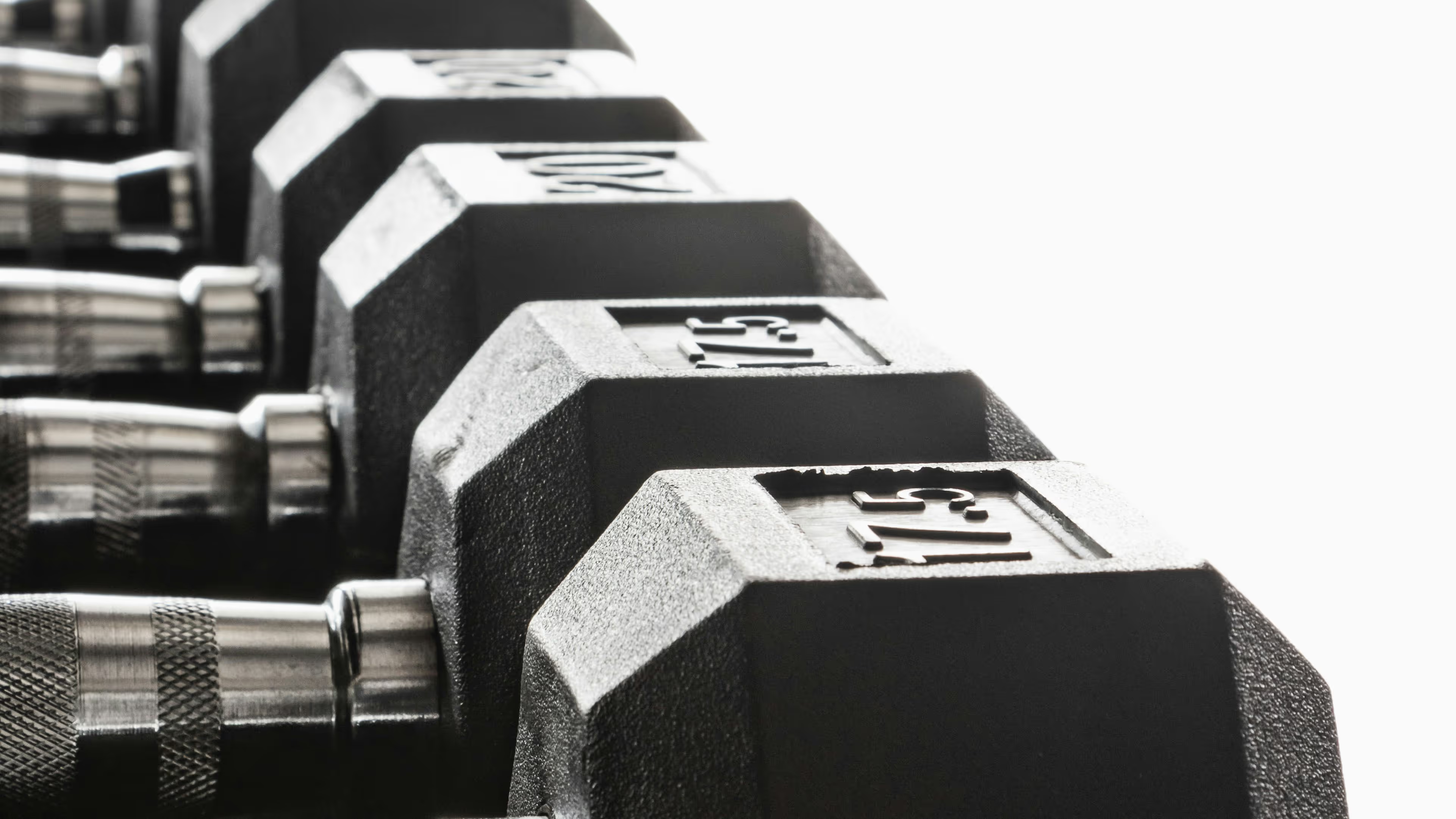
Conditioning should match the demands of the sport, not just make athletes tired.
Smart recovery days help athletes show up fresher, not softer, at the next practice.
A simple, repeatable game day routine lowers nerves and boosts focus and performance.